
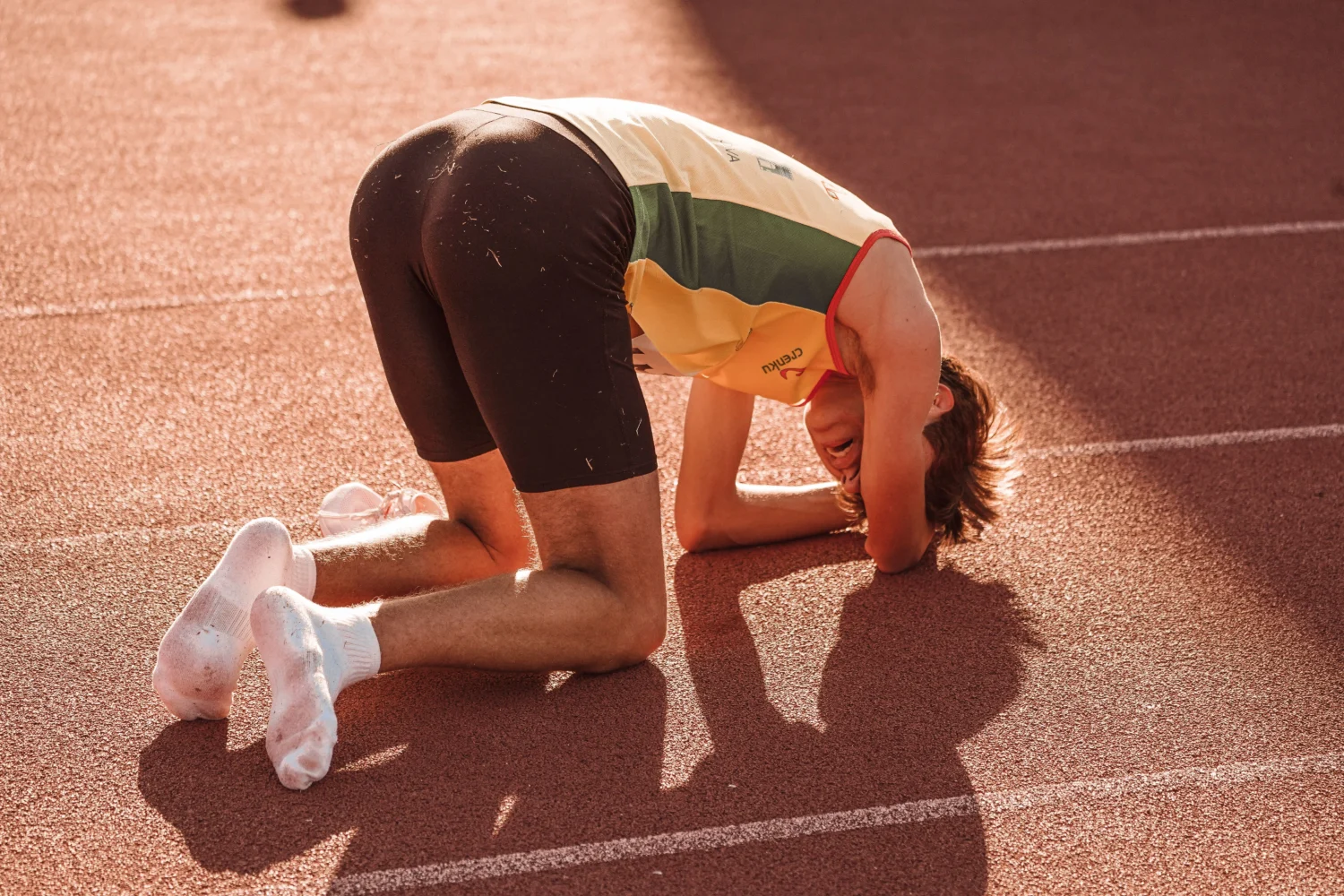
Performance Anxiety: What It Is and How to Manage It
Feeling nervous before an exam, presentation, performance or sporting event is a common human experience. When something matters to us, it makes sense that we might experience some performance anxiety.
For some people, however, the pressure to perform well, get things right or make a good impression can become overwhelming. You might spend days worrying beforehand, struggle to think clearly in the moment, or find yourself questioning how you performed afterwards.
When performance anxiety starts causing significant distress or getting in the way of things that matter to us, it can be helpful to understand what’s driving it and what can help.
What Is Performance Anxiety?
Performance anxiety is anxiety that shows up in situations where we feel pressure to perform well or worry about how we’ll be evaluated by others.
While we might immediately think of public speaking or performing on stage, it can show up in many areas of everyday life, including:
- Exams, tests and assessments
- Job interviews
- Presentations or speaking in meetings
- Being observed or evaluated at work
- Sporting competitions
- Music, dance or performing arts
- Dating or meeting new people
Some anxiety in these situations is completely normal. In fact, nerves can be a sign that something matters to us and can prompt us to prepare appropriately. Performance anxiety can become more difficult when it causes significant distress or starts getting in the way of things that are important to us.
When Pressure Gets in the Way of Performance
Performance anxiety can sometimes make it harder to access the skills and knowledge you already have. You might know the material well but struggle to recall it in an exam, feel confident during training but become tense during competition, or have plenty to contribute at work but find yourself second-guessing what you want to say.
It can also affect confidence, particularly when we interpret feeling anxious as a sign that we’re not prepared or capable enough. In reality, feeling anxious doesn’t necessarily mean you’re unprepared or unable to perform effectively.
Why Do Some People Experience Performance Anxiety?
There usually isn’t one single reason someone experiences performance anxiety. Often, a combination of our expectations, previous experiences, and beliefs about what it means to perform well can contribute.
For some people, perfectionism or high expectations can make performance situations feel particularly high stakes. When we place pressure on ourselves to get things right, it can become harder to make room for mistakes and imperfection. If doing well also becomes closely connected to how capable or worthwhile we feel, even a small mistake can start to feel much more significant.
Fear of criticism, judgement or disappointing others can also contribute. Previous experiences of embarrassment, criticism or feeling misunderstood may understandably make situations involving evaluation feel more threatening. This can overlap with worry about how we are perceived in social situations, particularly when there is pressure to say or do the “right” thing.
Comparison can play a role too. We might compare ourselves with the colleague who seems effortlessly confident, the student who always appears prepared or the athlete who seems unfazed by competition. Regularly measuring our performance against what we see in others can make it easy to get caught in the comparison trap, adding further pressure to how we think we “should” be performing.
Our individual needs and ways of processing the world matter as well. For some neurodivergent people, unfamiliar environments, unclear expectations, sensory demands or previous experiences of being corrected or misunderstood can add another layer of pressure.
Understanding what might be contributing to your performance anxiety can help you work out which strategies are likely to be most useful.
How Can You Manage Performance Anxiety?
When we’re anxious about performing, our instinct is often to try to make the anxiety disappear. We might tell ourselves we need to calm down or wait until we feel more confident.
Instead, it can be helpful to focus on what will help you participate effectively, even if some anxiety comes along with you.
1. Prepare for the Task, Not Every Outcome
Preparation is useful. Trying to guarantee that nothing will go wrong usually isn’t.
For an exam, this might mean following a realistic study plan rather than continuing to study because you don’t feel completely ready. For a presentation, it could mean knowing your key points without memorising every sentence.
It can help to ask yourself: “What preparation would be useful here, and when does preparation start becoming an attempt to feel completely certain?”
2. Have a Plan for When Anxiety Shows Up
Rather than hoping you won’t feel anxious, have a simple plan for when it happens.
Before an interview, this might mean slowing your breathing and grounding yourself. If your mind goes blank during an exam, move to another question and return to it later. In sport, bring your attention to the next play after a mistake. During a presentation, pause, check your notes and continue.
The aim is to have something simple to return to when anxiety shows up.
3. Bring Your Attention Back to What’s in Front of You
Performance anxiety can pull our attention towards how we’re coming across:
- Do I look nervous?
- Am I doing well enough?
- What does everyone think?
When you notice this happening, gently shift your attention back to the task. In an exam, focus on what the question is asking. In sport, focus on the current moment or next play. In a meeting, return to the point you want to communicate.
You don’t need to manage the whole performance at once. Focus on the next question, task or moment.
4. Give Yourself Permission to Be Imperfect
Performance anxiety often comes with rigid expectations: I can’t make a mistake. I need to know the answer. I need to look confident.
Try making the goal more realistic:
- “I want to communicate my ideas clearly, not perfectly.”
- “I can find an exam difficult and still do well overall.”
- “One mistake doesn’t determine the rest of the game/recital.”
- “I don’t need to sound completely confident to contribute in this meeting.”
- “I don’t need to be the perfect conversationalist – one awkward moment doesn’t ruin the entire date.”
The goal isn’t to stop caring about how you perform. It’s to make room for normal human variation, uncertainty and mistakes.
This also means noticing how you speak to yourself when things don’t go to plan. If a mistake quickly turns into “I should have done better” or “I’m not good enough at this,” practising how to respond to yourself with greater self-compassion can help you acknowledge what was difficult without letting one moment define your overall ability.
5. Don’t Wait Until You Feel Confident
It can be tempting to think, “I’ll do it when I feel more confident.” But confidence often develops because of experience, rather than before it.
Start with small, manageable steps to overcome your anxiety. Speak up in a smaller meeting before taking on a larger presentation, practise an exam under timed conditions, or gradually introduce competition pressure during sports training.
The goal isn’t to eliminate anxiety first, but to build experiences that remind you: “Even when I’m anxious, I can cope.”
6. Use Your Body to Stay Present
When anxiety activates our nervous system, grounding strategies can help us stay present.
Before an exam, competition, interview or date, you might:
- Take a few slower breaths, allowing your exhale to lengthen
- Notice your feet making contact with the floor
- Release tension from your jaw, shoulders or hands
- Notice what you can see or hear around you
- Use a familiar pre-performance routine
The aim isn’t to make anxiety disappear, but to help you stay engaged with what you’re doing.
7. Review Rather Than Replay
After an exam, presentation, interview or sporting event, it can be easy to replay what happened and focus on what didn’t go well.
Instead, try a brief and balanced review:
- What went well?
- What was difficult?
- What can I take into next time?
- What can I let go of?
One difficult question, awkward moment or mistake doesn’t define your overall ability. Approaching your performance with curiosity rather than criticism can help you learn from the experience without getting caught in self-doubt.
When Does Performance Anxiety Become a Problem?
Feeling nervous before something important doesn’t necessarily mean there’s a problem.
A more useful question might be: Is anxiety stopping me from doing things that are important to me?
Performance anxiety may be worth addressing when you regularly turn down opportunities, avoid situations where you’ll be evaluated, spend excessive amounts of time preparing, or experience significant distress around situations that require you to perform.
When anxiety increasingly starts making these decisions for you, it may be helpful to seek additional support.
Final Thoughts
Managing performance anxiety isn’t about feeling completely calm. It’s about building confidence in your ability to participate and perform even when some anxiety is present.
With practice, you can learn to stay present, respond more flexibly when things don’t go to plan, and make room for mistakes without letting them define your performance.
~
If you’d like to explore performance anxiety further, ABC’s All in the Mind episode Why do we choke under pressure? explores why pressure can interfere with skills we already have and practical ways to manage these moments. While focused on sport, many of the ideas can also be applied to exams, work, presentations and other high-pressure situations. If you struggle with avoiding tasks due to your anxiety, you might like to read about the risks of being risk-averse, or common myths about anxiety.