
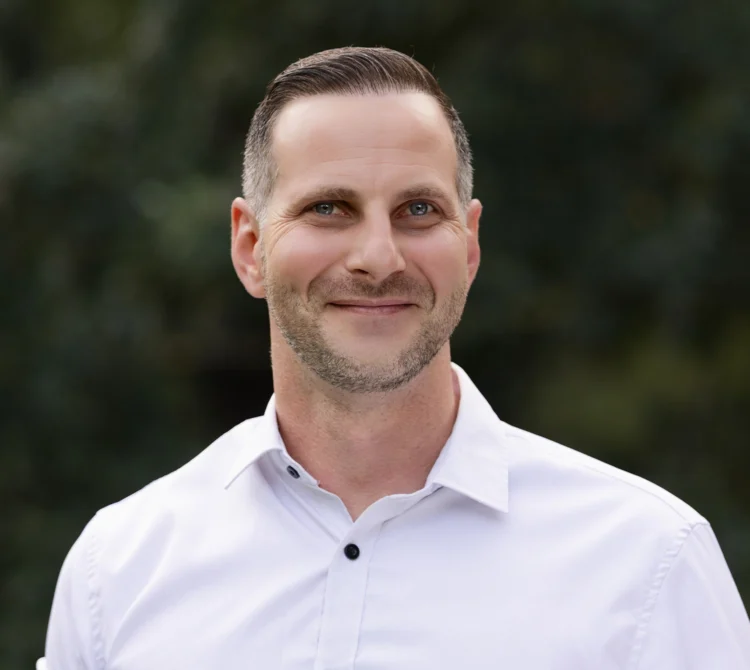
Pronouns: He/Him
Approach
Tim’s therapeutic approach is grounded in person-centred care, creating a safe, supportive, and non-judgmental environment where clients feel heard, understood, and comfortable exploring their experiences. He believes that meaningful change begins with a strong therapeutic relationship and works collaboratively with clients to understand not only the challenges they are facing, but also the underlying patterns contributing to them.
Recognising that every person’s experiences and goals are unique, Tim takes an integrative approach to therapy, tailoring treatment to each individual’s needs. He combines insight-oriented work with practical strategies to help clients better understand their thoughts, emotions, and behaviours while developing the skills and confidence to navigate life’s challenges more effectively. His goal is to help clients achieve meaningful and lasting improvements in their emotional wellbeing, relationships, and overall quality of life.
Experiences and Interests
Tim has experience working across private practice, Employee Assistance Programs (EAP), trauma-informed services, educational settings, and aged care. He provides psychological assessment and therapy to adolescents, adults, couples, families, and older adults across a broad range of presentations.
His clinical interests include trauma-related presentations, anxiety, mood disorders, emotional regulation, neurodiversity, post-concussion symptoms, Functional Neurological Disorder (FND), interpersonal and relationship difficulties, and complex or co-occurring presentations. Tim is passionate about helping clients develop greater self-awareness, strengthen emotional resilience, and create meaningful, long-term change.
Therapies
Tim utilises a diverse range of evidence-based modalities and therapeutic interventions to promote or enhance psychological health and emotional well-being. Therapeutic modalities include:
- Eye Movement Desensitisation and Reprocessing (EMDR): Supports the processing of traumatic or distressing experiences that continue to impact current functioning.
- Schema Therapy: Helps identify and change longstanding patterns of thinking, feeling, and relating that developed through early life experiences.
- Cognitive Behavioural Therapy (CBT): Develops practical skills to identify and modify unhelpful thinking patterns and behaviours.
- Acceptance and Commitment Therapy (ACT): Encourages psychological flexibility by helping clients respond differently to difficult thoughts and emotions while living in line with their values.
How Is Tim Described By His clients
Tim is described as a friendly, authentic, and passionate psychologist.
Tim Personally
Tim enjoys exercise, socialising, listening to live music, watching sports, and being present and mindful.